
Case Study: Safe Money Retirement Blueprint and Income Protection Strategies
Nov 27, 2026


Key Takeaways
- Safe money retirement blueprints offer a structured, risk-aware approach to planning stable retirement income.
- Balancing growth, protection, and flexibility is key to addressing longevity and market risk while promoting financial confidence.
Many pre-retirees worry about outliving their savings—making education on safe money and income protection strategies more crucial than ever. When planning for retirement, understanding how to protect your hard-earned savings is essential for peace of mind and long-term stability.
What Is a Retirement Blueprint?
Defining safe money planning
Safe money planning refers to strategies designed to prioritize preserving your retirement nest egg. Unlike high-risk investment tactics, these approaches emphasize stability, aiming to minimize exposure to loss while providing steady growth or income opportunities. The main objective is to help you avoid major downturns during the years when your financial security matters most.
Core concepts behind a retirement blueprint
A retirement blueprint acts much like an architectural plan for your financial future. It organizes goals, income needs, risk tolerance, and timelines—all in one strategic framework. By mapping out your resources and identifying the most secure paths to retirement income, you gain clarity and structure. Typical components include asset allocation guidelines, withdrawal strategies, and clear benchmarks for periodic review. The emphasis is always on prudence and adaptability to changes in market conditions or personal circumstances.
Why Prioritize Safe Money Strategies?
Market risk and retirement savings
Market risk refers to the chance your investments could lose value due to market fluctuations. If you’re approaching or in retirement, even a moderate downturn can have a significant impact—leaving you with less time to recover. Safe money strategies help you weather these storms. By focusing on less volatile assets or principal protection concepts, you decrease the likelihood that a market dip will disrupt your standard of living.
Understanding principal protection
Principal protection is a guiding concept for safe money enthusiasts. It means prioritizing options where your initial investment (the “principal”) is shielded from loss, either through contractual guarantees or low-risk asset choices. While no approach is entirely risk-free, many safe money strategies aim to offer peace of mind by favoring security over aggressive growth.
Importance of diversification
Diversification spreads your assets across different investment types, reducing vulnerability to any single market segment. For retirees, this can involve a mix of traditional savings vehicles, annuity-style income tools, and conservative market instruments. By diversifying, you are less likely to experience sharp declines in your overall portfolio, supporting consistent income regardless of market cycles.
Income Protection Strategies Explained
Balancing growth and security
Income protection means creating a plan that lets you draw regular income without undue risk to your base savings. Achieving this often requires balancing growth with security—allocating enough to safe, lower-volatility assets to support stability, while still pursuing some growth potential to help your money last. Effective retirement blueprints intentionally balance these dynamics based on your timeline and risk tolerance.
Longevity risk considerations
With longer lifespans, the risk of outliving savings—known as longevity risk—has become a real concern. Income protection strategies address this by incorporating longevity buffers, such as structured withdrawal plans or systematic payouts, designed to provide steady income even into advanced years. The right blend can help you feel more secure about having enough resources, no matter how long retirement lasts.
Key features of protection-focused planning
Protection-focused planning relies on certain key elements: safeguards for your principal, reliable income streams, and the ability to adjust as life circumstances evolve. Key features may include structured income solutions, consistent asset rebalancing, and periodic check-ins to keep the strategy on track. It’s about building flexibility and responsiveness into your plan, so it grows with your needs.
How Does Safe Money Planning Work?
Step-by-step overview
- Assessment: First, you determine your current financial picture—evaluating assets, liabilities, income needs, and retirement goals.
- Strategy selection: Next, you choose safe money strategies tailored to your risk comfort and income expectations. This might involve a combination of protected-income products and conservative investments.
- Implementation: You allocate assets according to your blueprint, focusing on stability, principal protection, and regular review.
- Ongoing management: The blueprint isn’t static—you periodically adjust your approach as markets move or your needs change, helping ensure your plan remains resilient.
Customizing for your retirement goals
Safe money planning isn’t one-size-fits-all. The best approach is tailored to your timeline, legacy goals, and risk preferences. Are you hoping to leave a legacy for loved ones? Each goal impacts how you structure your safe money and income protection strategies. Regular meetings with a financial professional can keep your plan aligned with your evolving vision.
Addressing Common Concerns and Myths
Myth: Safe strategies mean low returns
One common misconception is that prioritizing safe money automatically leads to poor growth. In reality, modern approaches blend capital preservation with reasonable growth opportunities. While these strategies may not capture every market surge, they help ensure your savings aren’t devastated by downturns—providing a sensible balance for retirement.
Myth: Protection reduces flexibility
Another myth is that protection-oriented strategies “lock you in.” Today’s solutions aim to offer a range of options, many allowing periodic adjustments, partial withdrawals, or strategic shifts to reflect new circumstances. You aren’t forced to sacrifice control in exchange for peace of mind.
Fact-checking safe money misconceptions
It’s also important to stress that safe money doesn’t mean avoiding all risk. Every strategy has trade-offs, such as potentially lower upside or limited liquidity. What matters is understanding these facets so you can make choices that empower rather than restrict you in retirement.
Is This Right for Your Situation?
Assessing personal financial goals
Choosing a safe money retirement blueprint starts with self-reflection. Consider your fixed expenses, discretionary spending, family situation, and potential healthcare needs. If protecting your principal and securing predictable income are high priorities, these strategies can provide the foundation you need.
When to consider a safer approach
A safer approach may be particularly relevant if you’re nearing retirement, depend on your nest egg for daily living, or have limited risk tolerance. It’s also valuable if you’ve experienced volatile markets and want to avoid unnecessary financial stress. A safe money blueprint is adaptable and accessible, so you can implement it at any stage with the right guidance.
Popular posts
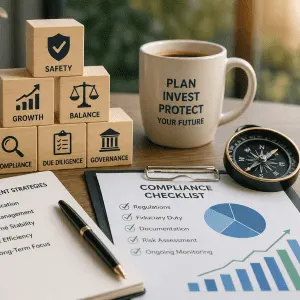
Key Takeaways Safe investment strategies can support financial stability when paired with effective compliance practices. Balancing risk and growth is crucial for protecting and preserving retirement assets in a compliant manner.

Key Takeaways Fixed indexed annuities are designed to protect your principal during market downtu…

Key Takeaways Whole life cash value grows gradually through guaranteed mechanisms and long-term policy design, making patience a central part of how it works.Accessing cash value c…
Valuable tools to educate yourself – and thrive.
The Certified Safe Money advantage includes access to valuable resources to help you make the right decisions for your retirement goals – because we believe knowledge is power.Browse our current e-books below and prepare yourself for the future.